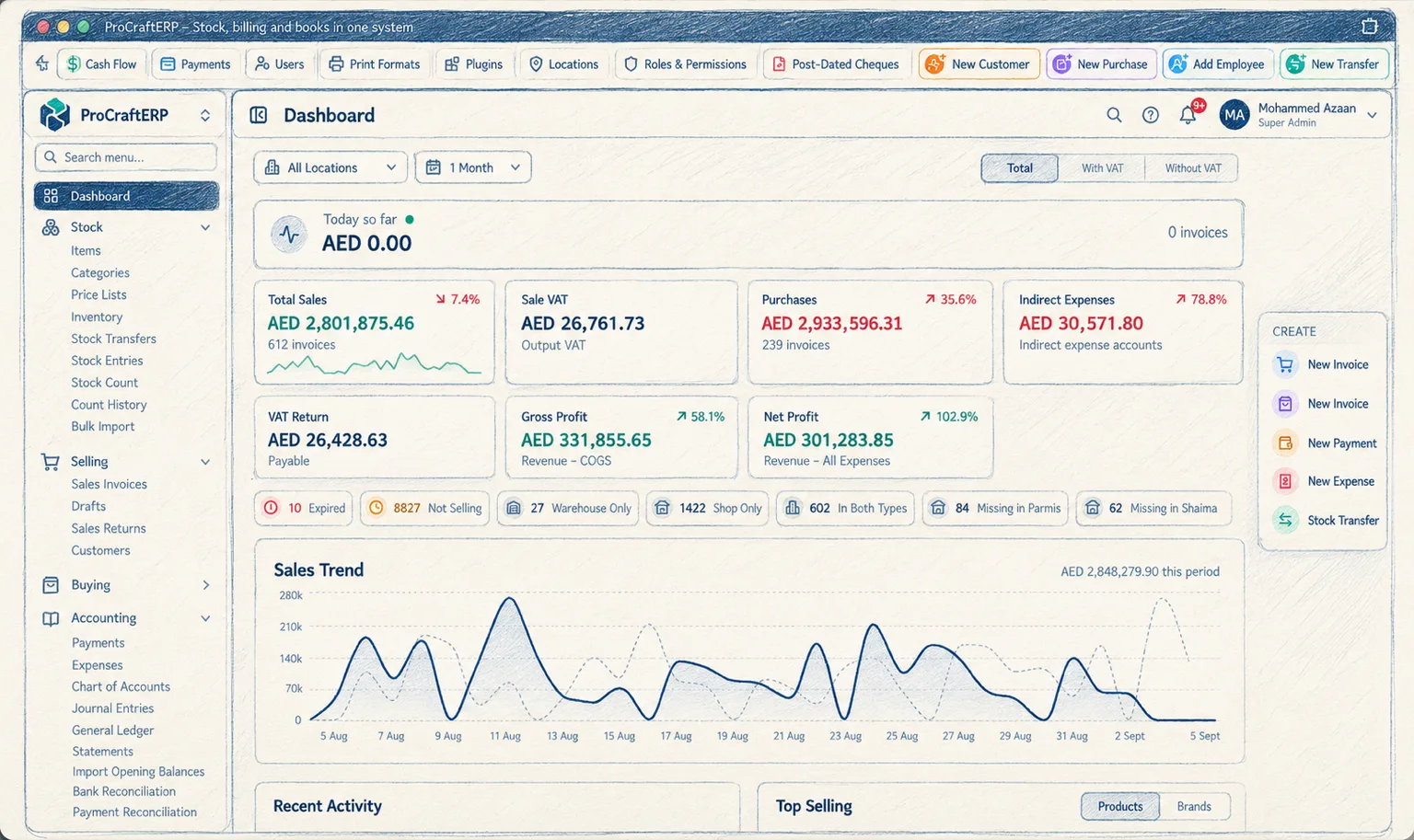
Disconnected business workflows
Centralise operations
Custom ERP platform
A clearer operational system
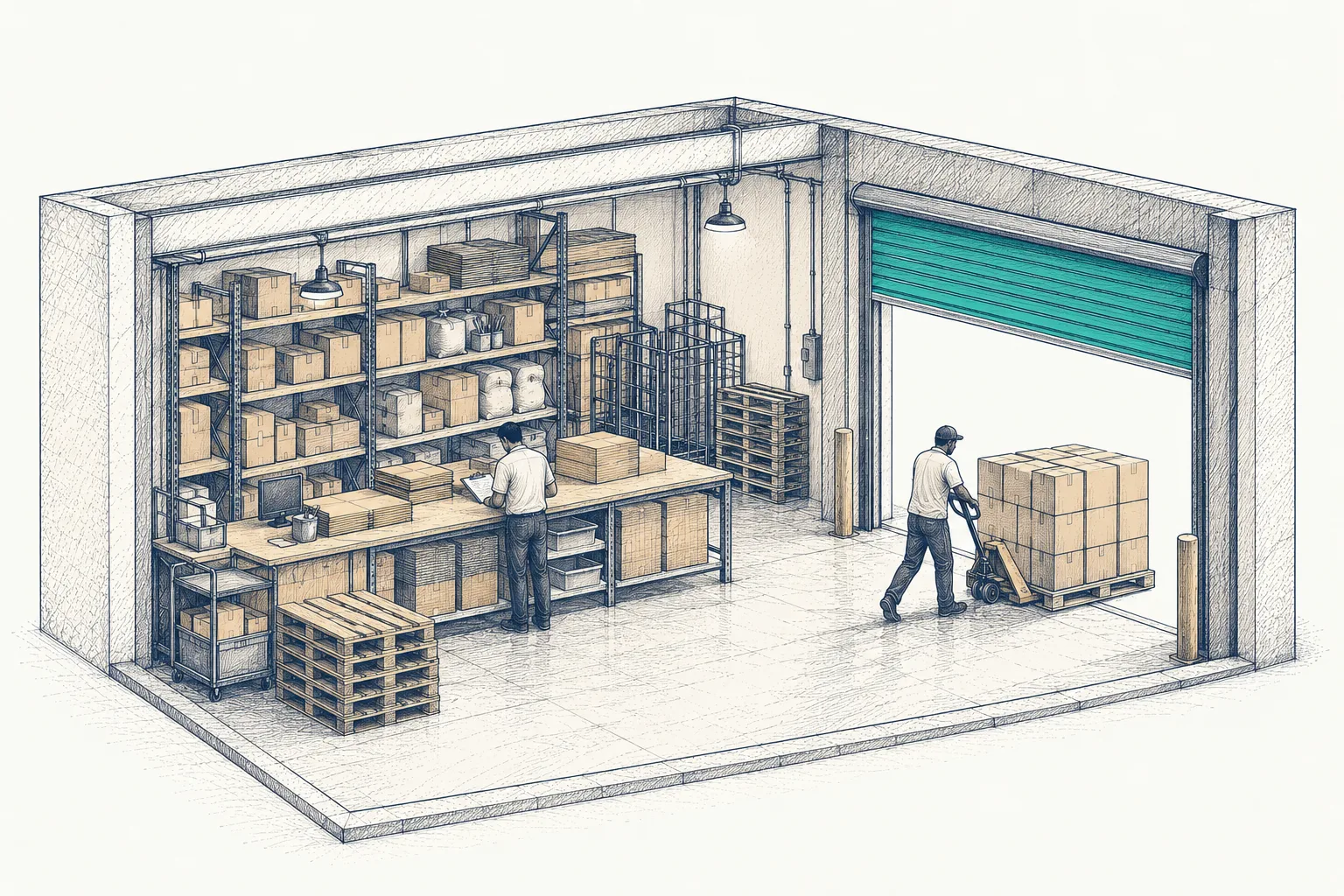 Plate 01 — the operation
Growth was creating complexity.
The business was growing across sales, inventory and purchasing, but its workflows remained dependent on disconnected tools and manual processes.
Information was difficult to track across departments, while management lacked a clear view of daily operations.
Duplicate data
Manual entry
Limited visibility
Delayed reporting
Communication gaps
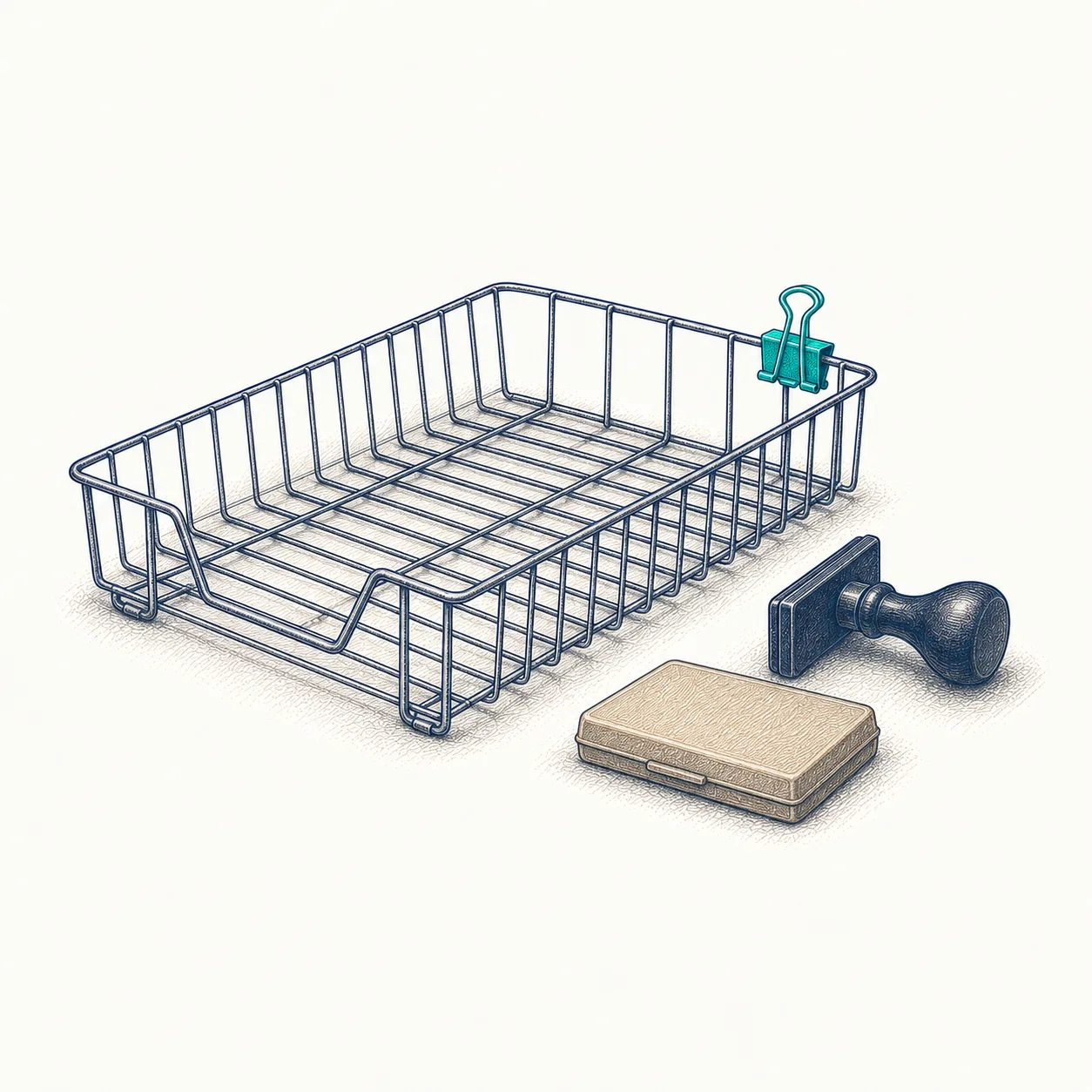 Plate 02 — before the system
Before
- Excel
- Manual entry
- Disconnected data
- Delayed reports
After
- Centralised ERP
- Connected data
- Structured workflows
- Business visibility
- Accessible reporting
What needed to change.
Centralise business operations.
Reduce repetitive manual work.
Make information easier to access.
Create a scalable operational foundation.
Before designing the interface, we mapped the business.
Concept discovery — a worked method, not client research.
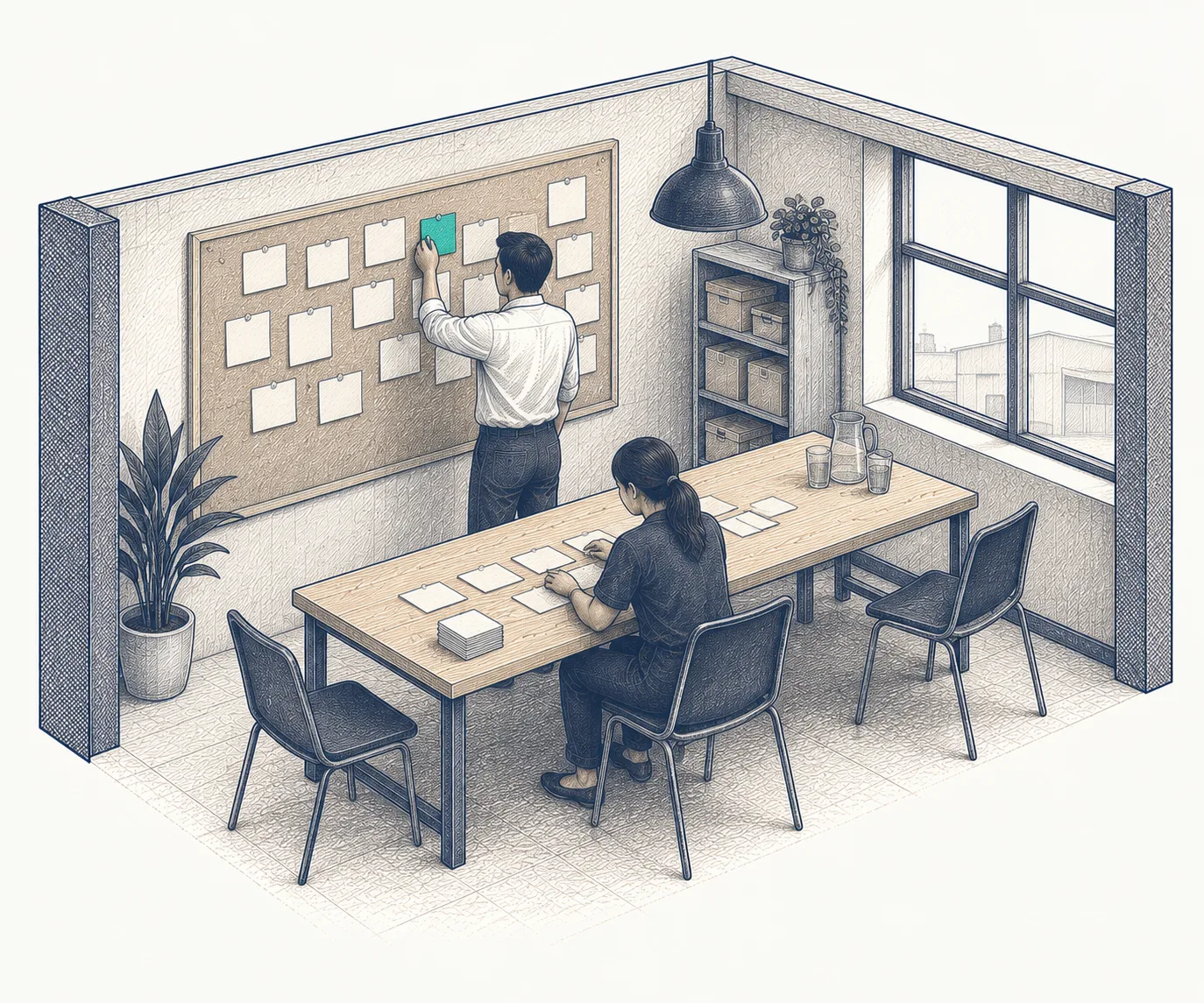 Plate 03 — mapping the operation
Sales, inventory, purchasing, finance and management — each with its own tools and habits.
An admin, a salesperson and a warehouse lead never need the same screen.
Every unit follows one line: bought, received, stored, sold, invoiced, reported.
Re-typing between tools, unknown stock levels, reports built by hand at month end.
Every workflow reads and writes the same data — no copies, no versions.
Purchase to report, without leaving the system.
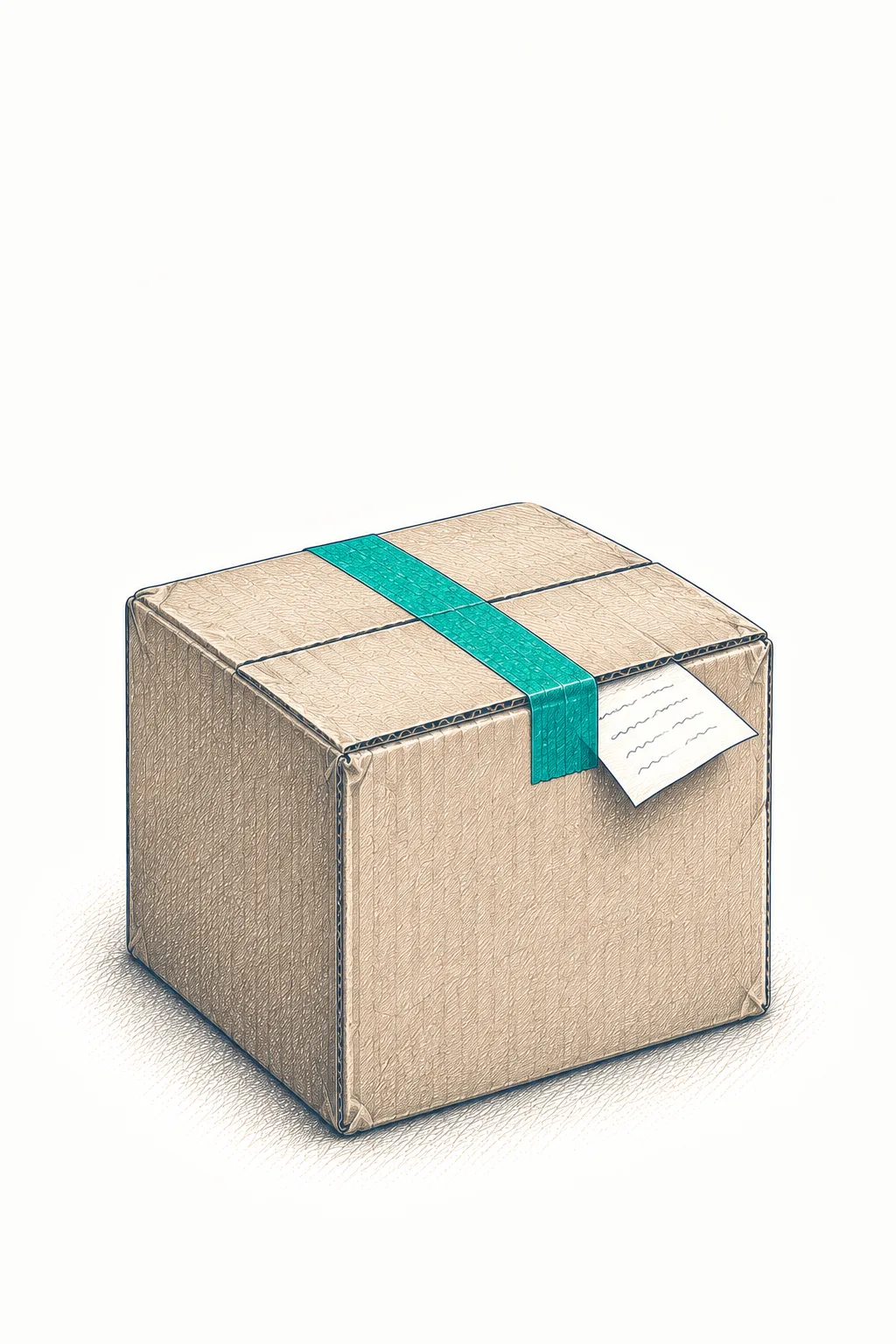 Plate 04 — receiving
One system. Different responsibilities.
System management — users, roles, settings.
Customers, quotes and orders.
Inventory, receiving and transfers.
Invoices, payments and statements.
Reports and visibility, live.
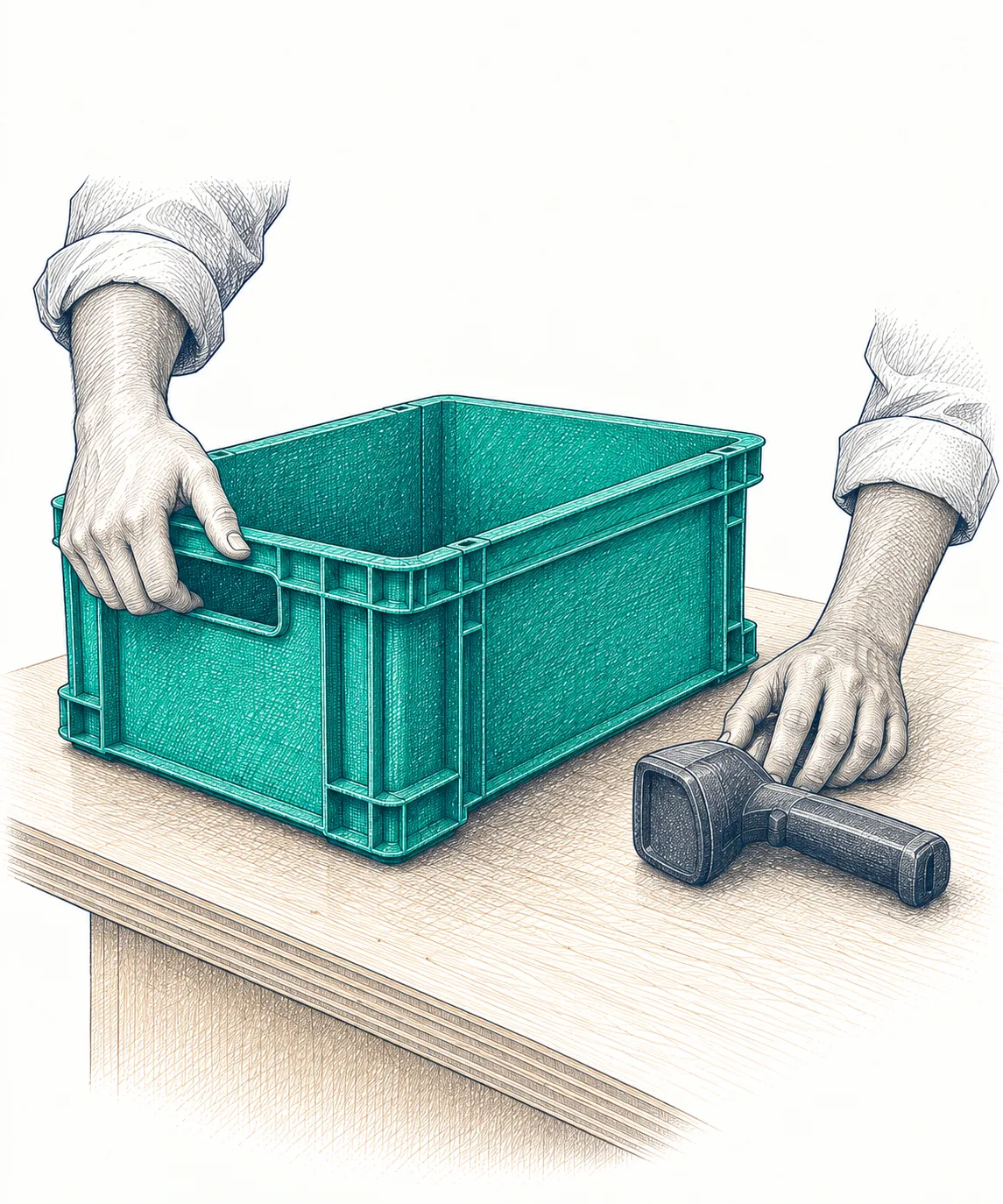 Plate 05 — who works in it
We didn’t start with screens. We started with the system.
Map the business, its people and where the current setup breaks.
Remove steps before automating them — fewer, clearer workflows.
One information architecture around the operational line.
Interfaces per role — each screen answers one question.
Module-first, so the system grows without rewrites.
Measure use, refine flows, extend where it earns it.
Everything in its place.
- Orders
- Invoices
- Customers
- Products
- Stock
- Transfers
- Suppliers
- Purchase orders
- Payments
- Statements
- Sales
- Stock
- Margin
- Users
- Roles
Structure first, surface second.
ProCraft concept wireframes — the layout is agreed before the interface is drawn.
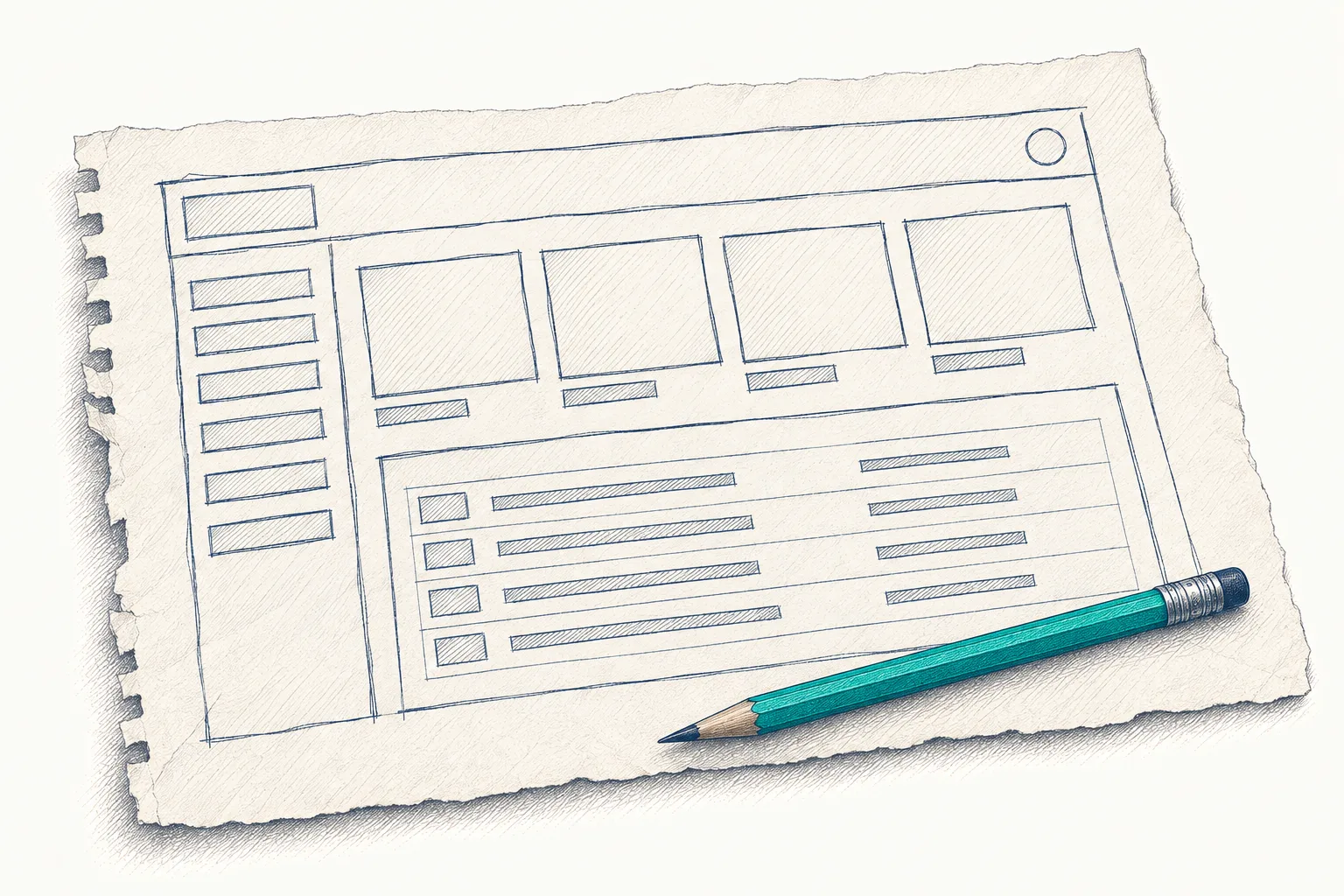 Plate 06 — the drawing
Making complex information feel simple.
Aa — 402 units.
SKU-0117 · INV-2214 · PO-0491
402 UNITS — WH-01 · AGREED REV C
Confirm order Save draft
PaidIn transitReorder
Four features carry the day-to-day.
Business dashboard
Everything important at a glance — revenue, orders, stock value and the alerts that need action today.
Inventory management
Live stock by product and warehouse, with low-stock alerts before they become lost sales.
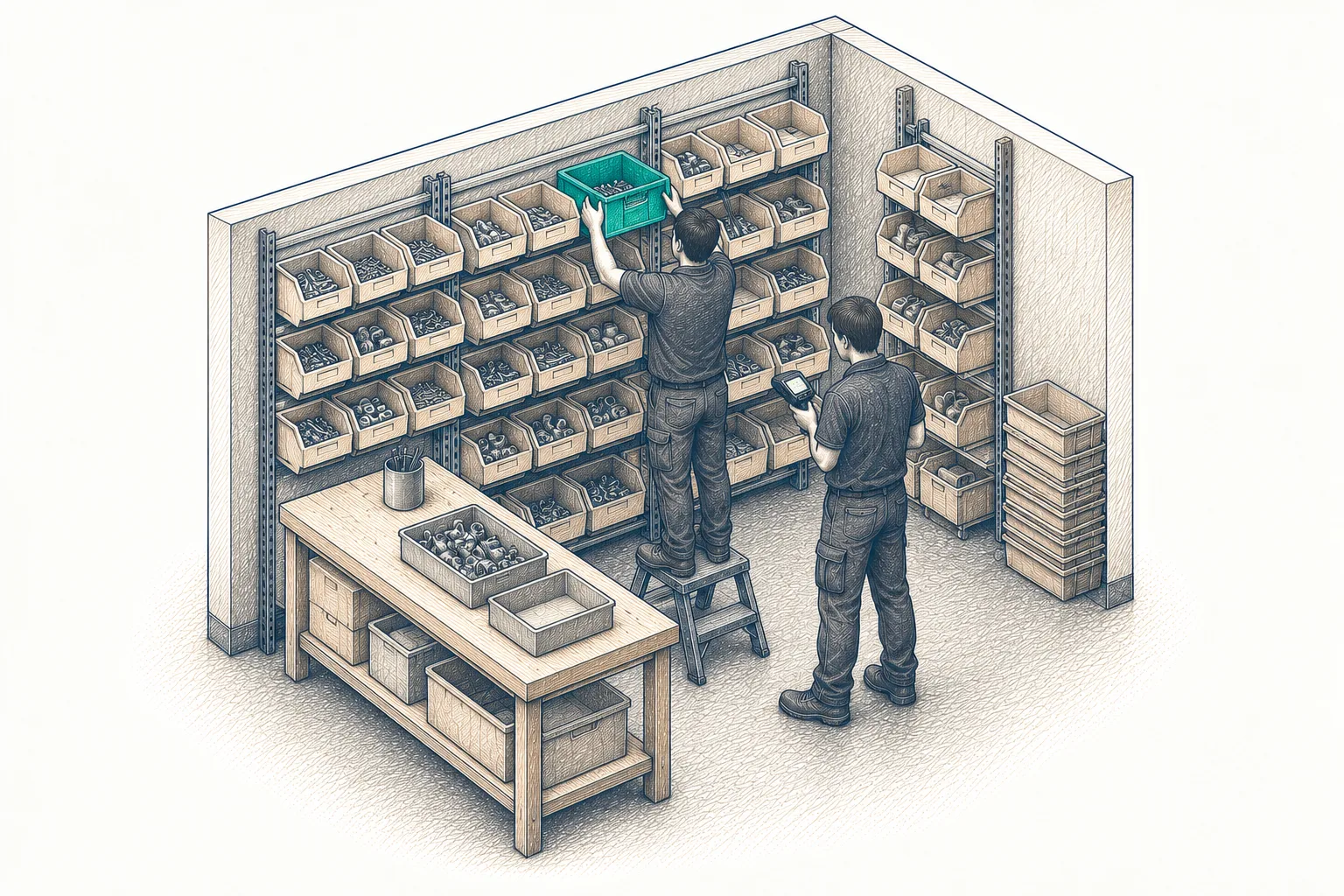 Plate 08 — stock on hand
Sales management
From customer to quote to order to invoice — one thread, no re-typing.
Business reporting
Reports that are already up to date, because they read the same record everything else writes.
The screens that do the work.
Everything important, at a glance.
Know what is available and where it is.
From customer to transaction.
Purchasing without unnecessary complexity.
Turn operational data into decisions.
Stock that speaks up.
Every movement — received, transferred, sold — updates one stock record. When a product crosses its reorder level, the system raises the alert before the shelf is empty.
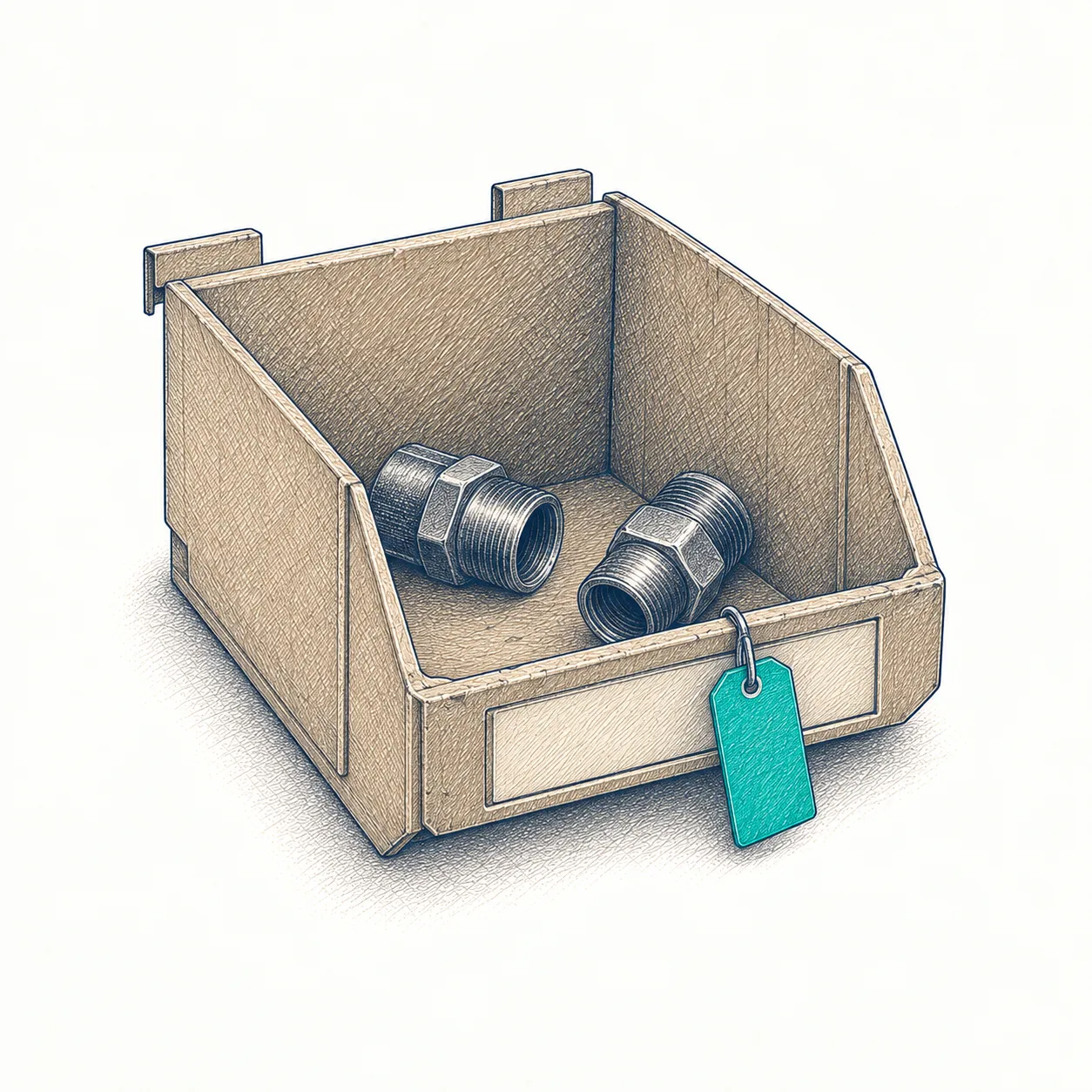 Plate 07 — the reorder point
The same record, on every screen.
Full workspace on desktop, focused tasks on tablet, alerts and approvals on mobile.
Simple on purpose.
Proposed stack.
Proposed technology stack — a concept architecture, chosen per project in practice.
A centralised ERP experience designed to reduce operational fragmentation, improve visibility and provide a scalable foundation for business growth.